by Marketing | Feb 18, 2026 | Blog
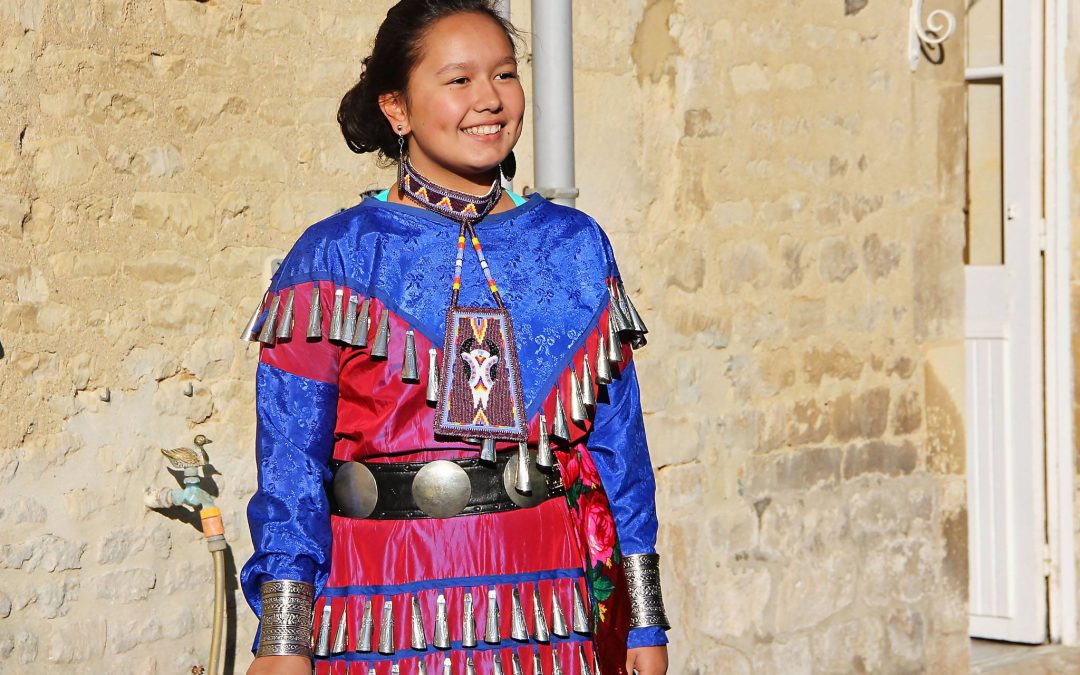
Stepping into the Trickster Cultural Center this past Saturday, I was immediately surrounded by the warm, woodsy smell of copal, an indigenous medicine of Mexico, burned in preparation for regalia and special ceremonies. The Center is preparing the space for a private wedding ceremony on Friday, and is filled with the chatter of community members, children, and extended family as they ready and design dresses for the big day.
Trickster began as a gallery promoting contemporary art of Native American veterans, but rebranded as a Cultural Center to emphasize the space’s focus on culture and healing, explains Gina, CCA’s guide and the Center’s Executive Director. On Saturdays, the Center hosts free Kinam classes, an Indigenous movement-based practice similar to yoga. Every Thursday is a cultural sharing night, offering teachings on Native culture and a casual community space. Members and artists oftentimes bring unfinished pieces of their artwork, from beadwork to sewing, utilizing the space to collaborate and share their respective work.
The first-floor exhibition is a place of teaching. Representing various tribal regions in the United States, it responds to the misconception that all Native American cultures are alike. The Na’wa’his’- Our Relations exhibit displays the art of George, Heather, and Halcyon Levi, of the Southern Cheyenne and Kiowa Tribes of Oklahoma. Their pieces use ledgers left behind from U.S. military massacres in the 1800s on the Great Plains, notably the Sand Creek Massacre of the Cheyenne and Arapaho people in 1864. Survivors of massacres began to write and create art out of these ledgers, and it is still used as a form of resistance today. Exhibits such as the Levi’s help dismantle stereotypes that Native Americans once inhabited the U.S, but have since left. Trickster provides the space, through art and community, for Native American culture and tradition to thrive and practice in contemporary North America today.
You can view photos from the visit on our social media @chicagocultural
by Marketing | Feb 13, 2026 | Blog
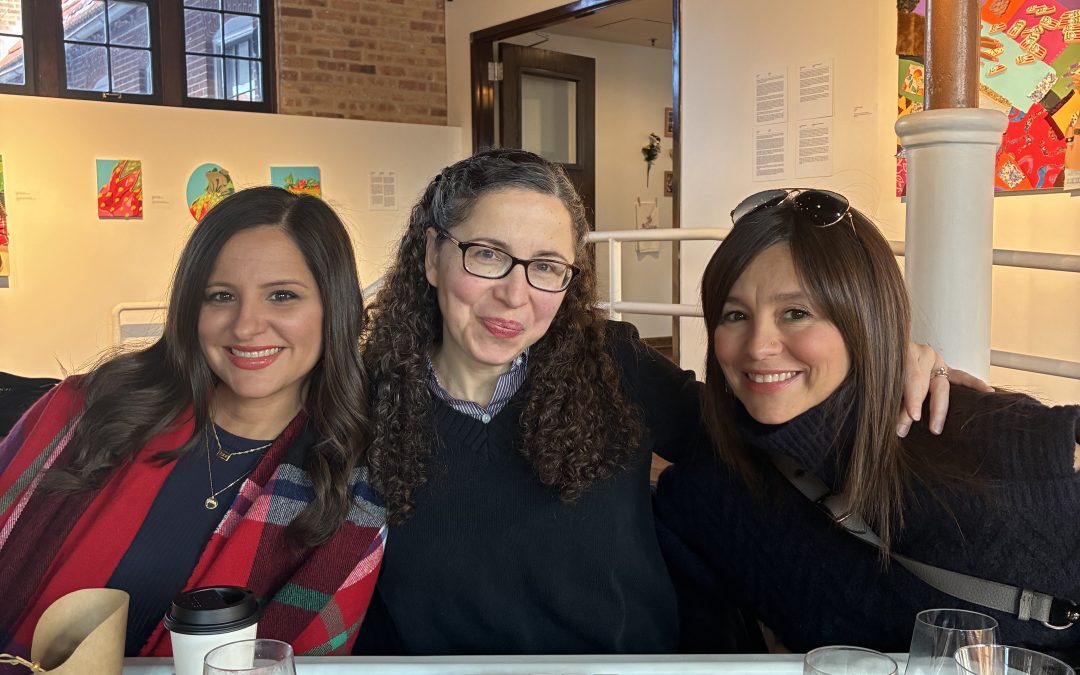
Last Saturday, the National Museum of Puerto Rican Arts and Culture welcomed the Chicago Cultural Alliance for their Dominoes and Mimosas event with La Familia Domino League! This was a women’s only event, and our Marketing Intern, Fiona, had a blast connecting with other members of the community over mimosas, cups of cafecito, charcuterie-style snacks, and many games of dominoes. La Familia Domino League, especially board member Angel Cebollero, were instrumental in our learning process. This was our first time playing, and it was surprisingly easy to pick up! Plus, we made some new friends along the way.
The day before Bad Bunny’s Super Bowl performance felt like the perfect occasion to visit the Museum. The Puerto Rican artist dominated the afternoon’s playlist, especially his most recent album DeBÍ TiRAR MáS FOToS (Fionas favorite song was “BAILE INoLVIDABLE”). The Museum gift shop (a must-see on your visit or for a quick gift of artisanal earrings) had limited museum edition “Benito Bowl” t-shirts for sale, which were also given away at the event as a raffle prize, along with a custom-made domino table!
Encircling the main event were collections of paintings, several celebrating the resilience of Puerto Rican womanhood. The painting Heirloom shows the long, manicured nails and rings of women playing dominoes, a pastime often associated with men. The ritual is reclaimed here as distinctly feminine, allowing space for women across Puerto Rican and Caribbean cultures to step out of the realm of domesticity and take on assertive and competitive roles. Such feminine power was definitely in the air last Saturday. We hope La Familia and the Museum come together again, as it was a truly memorable afternoon filled with impeccable music, community, and, of course, dominoes!
You can view photos from our visit on our Instagram – @chicagocultural
by Marketing | Feb 12, 2026 | Blog
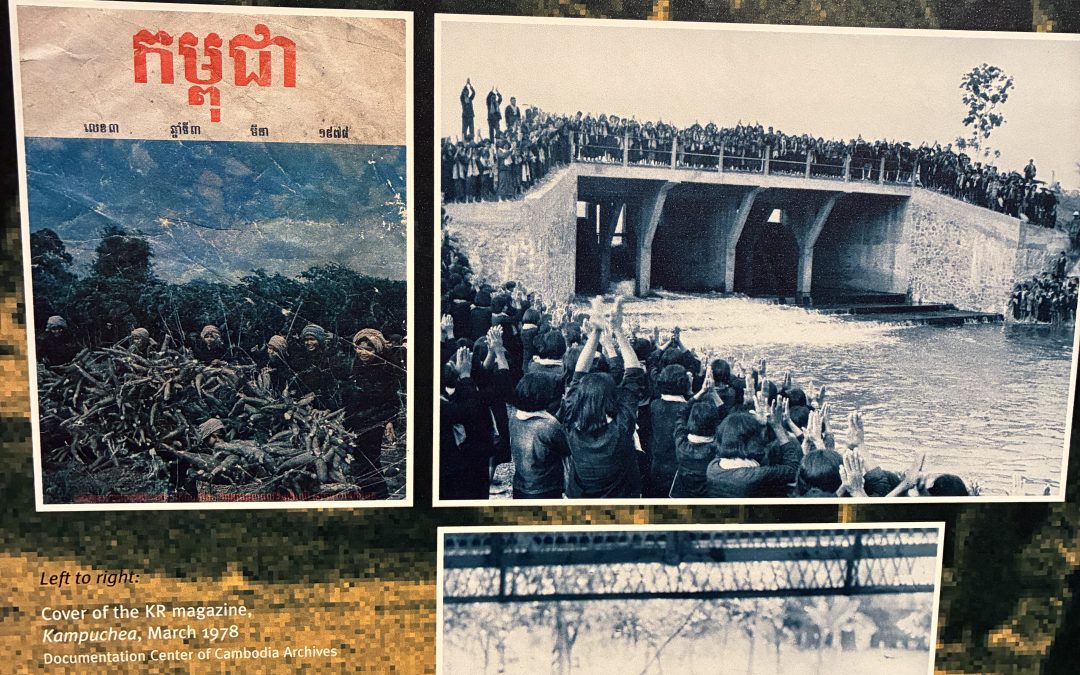
Last week, the Chicago Cultural Alliance visited one of our Core members, the National Cambodian Heritage Museum and Killing Fields Memorial. We were grateful to be shown around the museum by our tour guide, Nisa.
Beginning on April 17, 1975, more than two million Cambodians had died under Pol Pot’s dictatorship and the Khmer Rouge regime over three years, eight months, and 21 days. In December of 1985, around 10,000 Cambodian refugees arrived in the city of Chicago. Today, the Museum acts as a place of remembrance, community gathering, culture, and social services for the city’s Cambodian population. The Museum is the only Killing Fields Memorial in the United States. Its Wall of Remembrance, etched with the names of loved ones who perished in the Killing Fields, honors the more than 2 million lives that were lost.
Every weekend, all three floors of the Museum are filled with the sounds and stories of traditional music, dancing, art-making, and language classes. The space transforms into the Culture & Healing Arts program, which emphasizes art as a form of healing for survivors and their families. Parents of first-generation Cambodians oftentimes have difficulty explaining their past in Cambodia to loved ones, explained Nisa. The program allows members to take Cambodian language classes or to learn the Roneat Ek, a 1,000 year old Cambodian xylophone. Participates forge learning experiences and connect to elements of Cambodian culture not commonly taught in public school curriculum in the United States. In turn, shared cultural experience sparks curiosity amongst younger generations, creating space for conversation in the spirit of remembrance and healing between multiple generations of community members.
The Carving Legacies: Memories in Clay exhibit in January of 2025 shows how sculpture is an avenue of healing, when community members and the Master Ceramicist, Yary Livan, came together to sculpt ornate elephants, a symbol of strength and wisdom within the Cambodian community. The exhibit displays the elephants collectively marching and represents the will and legacy of Chicago’s Cambodian community. Elephants carry stories and memories of the creators and community, to continue learning and healing from the past, keeping close remembrance, a key pillar in honoring those lost at the Killing Fields. Dedicated space for creative outlets and cultural education reminds us of the importance of art and creative expression in bridging intergenerational gaps, generating space and curiosity, and knowledge amongst Chicago’s Cambodian population.
You can view photos from our visit on our Instagram – @chicagocultural