by Marketing | Mar 23, 2026 | Blog
This past Saturday, the Chicago Cultural Alliance had the privilege of joining Core Member, the Haitian American Museum of Chicago (HAMOC), at their new permanent location at 4623 N. Clark Street. HAMOC purchased this new home in 2025 and has been working tirelessly since then to bring this new chapter of the organization to life.
The lead-up to the March 21st event has been incredibly busy for HAMOC, which provided four presentations on Jean Baptiste Point DuSable—a Haitian man and the first non-indigenous founder of Chicago—to students in grades 3 through 8, and hosted a Meet & Greet for various Black and African organizations across Illinois. Additionally, HAMOC’s PR Consultant, Nathalie, joined Mr. Emile Andre of Radio L’Union to discuss HAMOC’s upcoming events and Grand Reopening, while their Collections Team conducted a productive site visit to the Chinese American Museum of Chicago (CAMOC) to learn about their collection storage space. Furthermore, as part of the Alliance Française de Chicago’s Francophonie Month celebration, HAMOC participated in the annual Kick-Off event, where hundreds of community members enjoyed food from French-speaking countries, with the Haitian cuisine being a notable highlight.
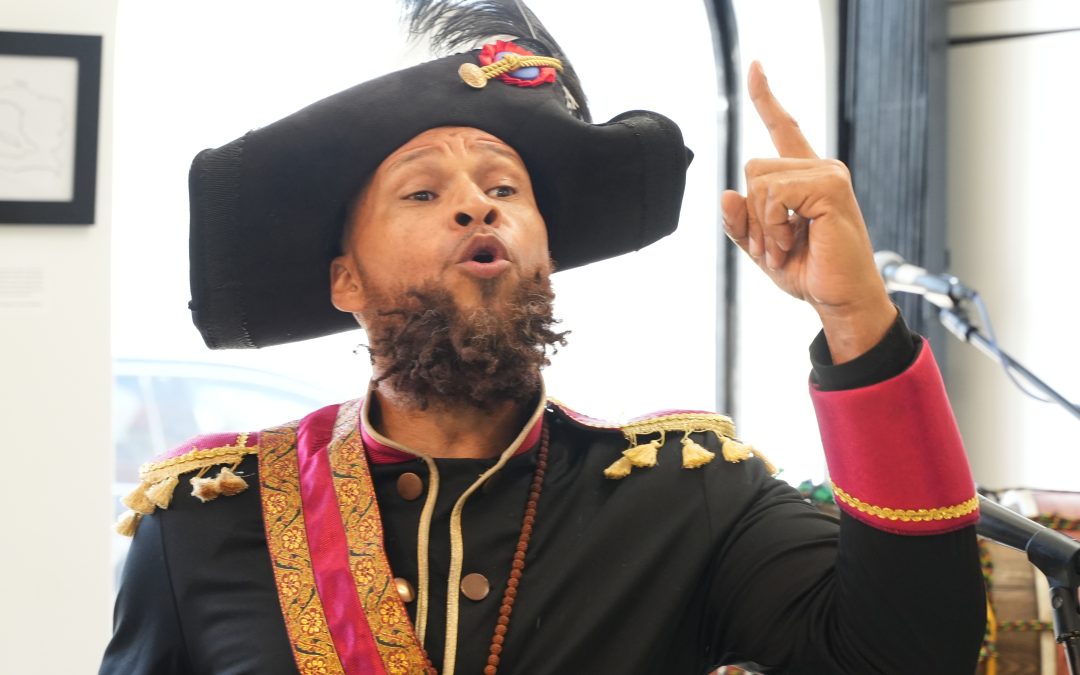
The Grand Reopening was a great success, filled with excitement as HAMOC’s Founder, Elsie Hector Hernandez, and Director of Programs and Museum Practice, Carlos Bossard, kicked off the proceedings. It was a wonderful day of music, art, food, and poetry. Many notable guests in attendance, including the Consulate General of Haiti, the Honorable Lionel Jean-Baptiste, and Alderwoman Angela Clay. Chicago Cultural Alliance Executive Director, Dr. Mónica Félix, was honored to be invited to give remarks as well. The Haitian American Museum of Chicago has been an active member of the CCA for over a decade. Dr. Félix highlighted the incredible accomplishments of this community-based museum in her remarks, citing the many ways in which they have shared authentic content from the Haitian and Haitian-American community through original exhibits, oral histories, and workshops over the years. Other highlights from the day’s celebrations included musical performances to energize guests and live painting from Haitian artists at the entrance to the grand opening
Founded in 2012, the Haitian American Museum of Chicago is the realization of founder Elsie Hernandez’s dream to create an institution that contributes to Chicago’s rich multicultural tapestry through diverse programs and exhibits.
Thank you to Elsie, Carlos, and the whole HAMOC team for letting us join you in this next phase of your organization.
You can view photos from the day on our social media @chicagocultural
Photography Credit: Nick Robins Photography, robinsfoto.com
by Marketing | Mar 20, 2026 | Blog
The Chicago Cultural Alliance (CCA) recently had the pleasure of joining the HANA Center for their Lunar New Year celebration, marking the Year of the Fire Horse.
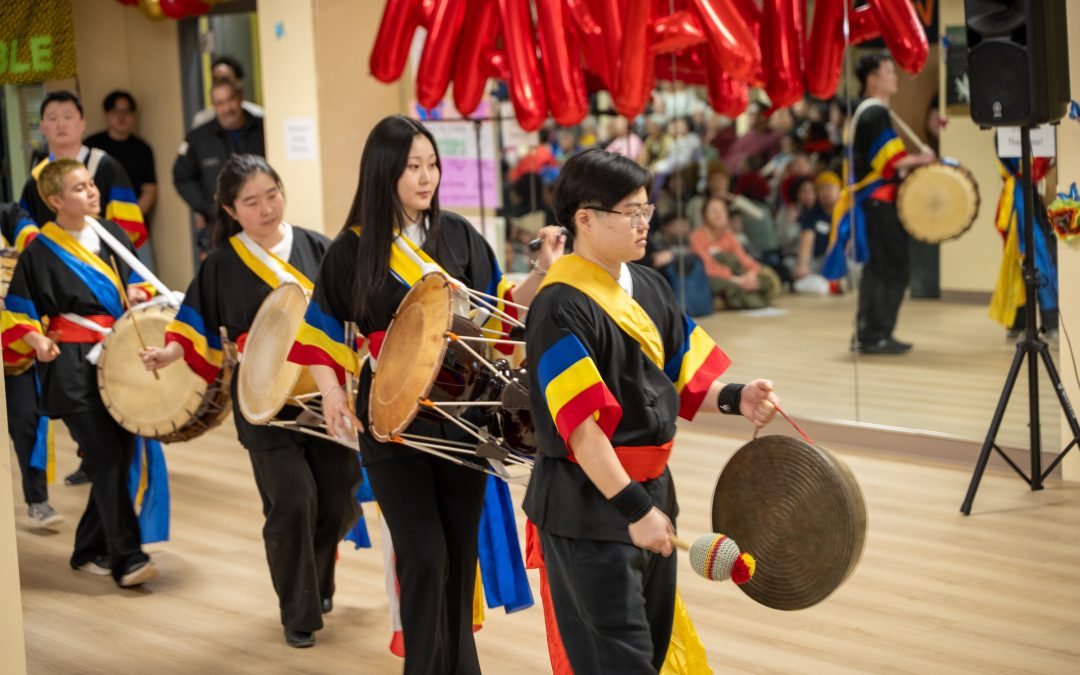
The event began with a vibrant pungmul performance—a traditional folk ritual of percussion, dancing, and singing. We were honored to hear powerful remarks from Joonseok Wee, Deputy Consul General of the Korean Consulate in Chicago, and Danae Kovac, Executive Director of the HANA Center. The Deputy Consul General spoke on how these celebrations foster mutual respect between generations and advance the interests of Korean, Asian, and immigrant communities. Danae Kovac called for a bold 2026, advocating for a world where low-income individuals and people of color can thrive.
The sense of intergenerational community and respect was unmissable during the saebae (세배), a traditional deep bow performed by the younger generation to their elders. During this Sebae, participants wear hanbok — colorful traditional attire — and exchange wishes for a healthy year. In return, elders provide youth with sebetdon (세뱃돈), or New Year money, in colored envelopes & pouches. The hanbok consists of a jeogori (jacket) and chima (skirt) for women, or a jeogori and baji (pants) for men. In Korean culture, hanbok is reserved for special occasions such as the Lunar New Year (alongside other holidays or weddings), and its flowing design represents harmony and grace.
Throughout the day, the CCA and HANA Center communities participated in a range of Lunar New Year activities, including drawing Fire Horses and crafting bokjumeoni (lucky pouches). Making the bokjumeoni was an 11-step process from folded paper, reminding us to think about warm wishes not just for ourselves, but for our family and community. Folding these pouches served as a reflection on the importance of community care and the value of our relationships. As we look toward the year ahead, the HANA Center asks: what wishes would you like to place inside your bokjumeoni?
Happy Lunar New Year and Year of the Fire Horse to all!
You can view photos from OPEN Center for the Arts on our social media @chicagocultural
by Marketing | Mar 17, 2026 | Blog
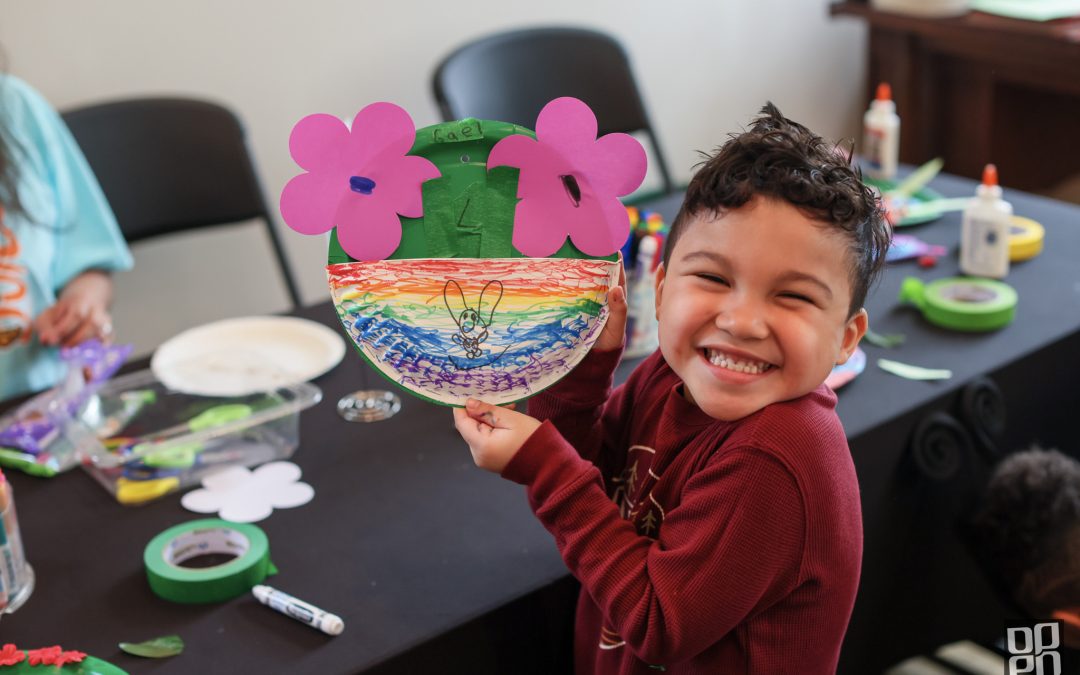
Visitors to OPEN Center for the Arts are greeted by a set of large, rustic wooden doors—one of the last pieces of original infrastructure repurposed after a fire in 2010. When the center reopened in 2014, the founding collective of artists originally intended to bring community-based art to other parts of the city. However, as Program and Outreach Manager Clara Byczkowski explains, that goal evolved when they realized it was more impactful for community members to see their own art within their neighborhood. Today, OPEN’s space reflects this vision and has grown into a vibrant community art center.
During a recent visit, Clara showed CCA several local pieces on the first floor, notably two floor-to-ceiling pieces – Alejandro Rosado’s
Out Enjoying Day and Juana Duran’s
Native. On the lower level, the walls are lined with sketches and memorabilia from the ongoing Wild Sculpture project, including images of the project’s excursions to the Lincoln Park Zoo.
Initiatives like the Wild Sculpture project make community public art a reality. Through this program, children from local schools can see their drawings transformed into metal sculptures displayed in parks and along sidewalks in Little Village. Clara, whose parents are immigrants from Brazil, reflects on how validating and inspiring it is for children and the community at large to see their creativity celebrated in their own neighborhood.
In the Wild Sculpture Project, drawings from local children in the North and South Lawndale communities are transformed into life-sized sculptures of animals and displayed in the Lincoln Park Zoo. The project unfolds in three phases: learning, drawing, and voting. Kids first learn about the endangered animal they will draw (past animals include polar bears and chimpanzees). Next is the drawing phase, where children create their own interpretation of the animal, imagining it freely and without the constraints of an adult perspective. In the final phase, community members, OPEN staff, and Lincoln Park Zoo animal specialists vote on which drawings will be transformed into metal sculptures.
The winning sculptures are unmissable when visiting the center. They are made by Omar Magaña, OPEN’s Executive Director, who brings the children’s designs to life through metalworking. The finished sculptures, installed as public art, allow local children to see their own creativity reflected in their community. Metal, Omar’s material of choice, carries its own symbolism. The strength of the material reflects the resilience of the community, a direct connection to perhaps the resilience of the building and the organization itself as well.
You can view photos from OPEN Center for the Arts on our social media @chicagocultural
by Marketing | Feb 18, 2026 | Blog
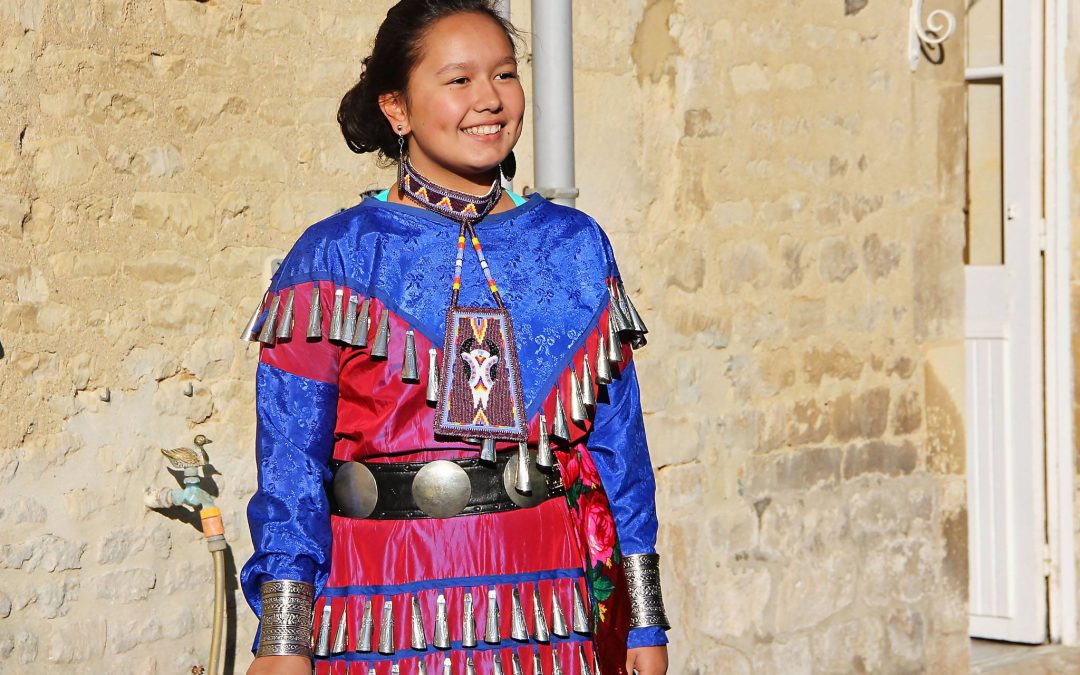
Stepping into the Trickster Cultural Center this past Saturday, I was immediately surrounded by the warm, woodsy smell of copal, an indigenous medicine of Mexico, burned in preparation for regalia and special ceremonies. The Center is preparing the space for a private wedding ceremony on Friday, and is filled with the chatter of community members, children, and extended family as they ready and design dresses for the big day.
Trickster began as a gallery promoting contemporary art of Native American veterans, but rebranded as a Cultural Center to emphasize the space’s focus on culture and healing, explains Gina, CCA’s guide and the Center’s Executive Director. On Saturdays, the Center hosts free Kinam classes, an Indigenous movement-based practice similar to yoga. Every Thursday is a cultural sharing night, offering teachings on Native culture and a casual community space. Members and artists oftentimes bring unfinished pieces of their artwork, from beadwork to sewing, utilizing the space to collaborate and share their respective work.
The first-floor exhibition is a place of teaching. Representing various tribal regions in the United States, it responds to the misconception that all Native American cultures are alike. The Na’wa’his’- Our Relations exhibit displays the art of George, Heather, and Halcyon Levi, of the Southern Cheyenne and Kiowa Tribes of Oklahoma. Their pieces use ledgers left behind from U.S. military massacres in the 1800s on the Great Plains, notably the Sand Creek Massacre of the Cheyenne and Arapaho people in 1864. Survivors of massacres began to write and create art out of these ledgers, and it is still used as a form of resistance today. Exhibits such as the Levi’s help dismantle stereotypes that Native Americans once inhabited the U.S, but have since left. Trickster provides the space, through art and community, for Native American culture and tradition to thrive and practice in contemporary North America today.
You can view photos from the visit on our social media @chicagocultural
by Marketing | Feb 13, 2026 | Blog
Last Saturday, the National Museum of Puerto Rican Arts and Culture welcomed the Chicago Cultural Alliance for their Dominoes and Mimosas event with La Familia Domino League! This was a women’s only event, and our Marketing Intern, Fiona, had a blast connecting with other members of the community over mimosas, cups of cafecito, charcuterie-style snacks, and many games of dominoes. La Familia Domino League, especially board member Angel Cebollero, were instrumental in our learning process. This was our first time playing, and it was surprisingly easy to pick up! Plus, we made some new friends along the way.
The day before Bad Bunny’s Super Bowl performance felt like the perfect occasion to visit the Museum. The Puerto Rican artist dominated the afternoon’s playlist, especially his most recent album DeBÍ TiRAR MáS FOToS (Fionas favorite song was “BAILE INoLVIDABLE”). The Museum gift shop (a must-see on your visit or for a quick gift of artisanal earrings) had limited museum edition “Benito Bowl” t-shirts for sale, which were also given away at the event as a raffle prize, along with a custom-made domino table!
Encircling the main event were collections of paintings, several celebrating the resilience of Puerto Rican womanhood. The painting Heirloom shows the long, manicured nails and rings of women playing dominoes, a pastime often associated with men. The ritual is reclaimed here as distinctly feminine, allowing space for women across Puerto Rican and Caribbean cultures to step out of the realm of domesticity and take on assertive and competitive roles. Such feminine power was definitely in the air last Saturday. We hope La Familia and the Museum come together again, as it was a truly memorable afternoon filled with impeccable music, community, and, of course, dominoes!
You can view photos from our visit on our Instagram – @chicagocultural
by Marketing | Feb 12, 2026 | Blog
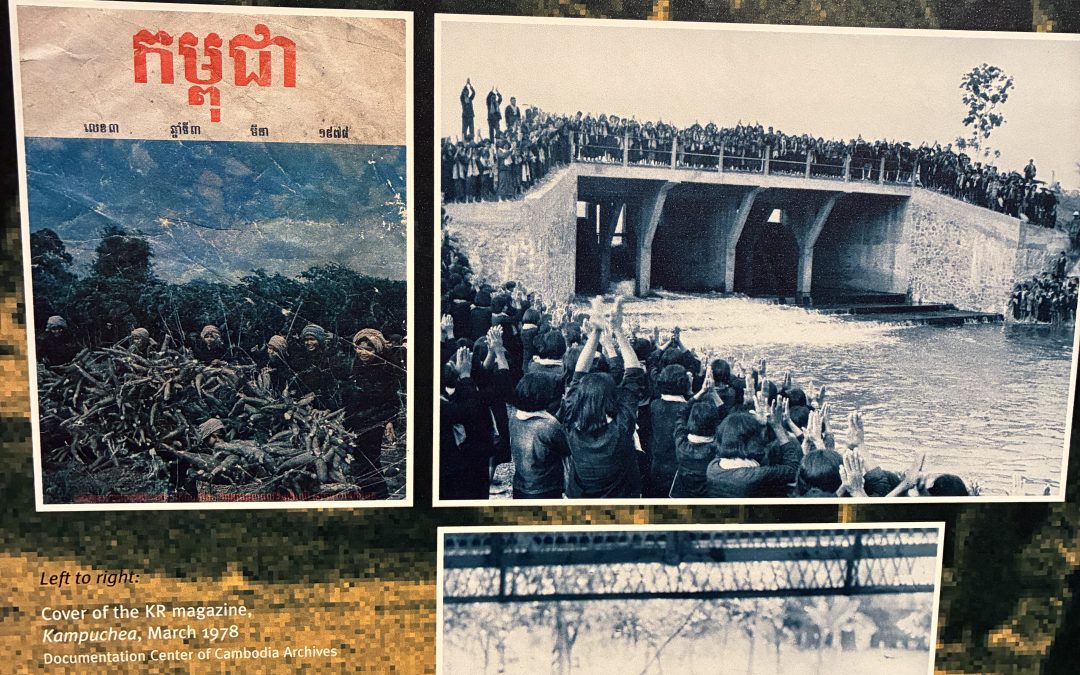
Last week, the Chicago Cultural Alliance visited one of our Core members, the National Cambodian Heritage Museum and Killing Fields Memorial. We were grateful to be shown around the museum by our tour guide, Nisa.
Beginning on April 17, 1975, more than two million Cambodians had died under Pol Pot’s dictatorship and the Khmer Rouge regime over three years, eight months, and 21 days. In December of 1985, around 10,000 Cambodian refugees arrived in the city of Chicago. Today, the Museum acts as a place of remembrance, community gathering, culture, and social services for the city’s Cambodian population. The Museum is the only Killing Fields Memorial in the United States. Its Wall of Remembrance, etched with the names of loved ones who perished in the Killing Fields, honors the more than 2 million lives that were lost.
Every weekend, all three floors of the Museum are filled with the sounds and stories of traditional music, dancing, art-making, and language classes. The space transforms into the Culture & Healing Arts program, which emphasizes art as a form of healing for survivors and their families. Parents of first-generation Cambodians oftentimes have difficulty explaining their past in Cambodia to loved ones, explained Nisa. The program allows members to take Cambodian language classes or to learn the Roneat Ek, a 1,000 year old Cambodian xylophone. Participates forge learning experiences and connect to elements of Cambodian culture not commonly taught in public school curriculum in the United States. In turn, shared cultural experience sparks curiosity amongst younger generations, creating space for conversation in the spirit of remembrance and healing between multiple generations of community members.
The Carving Legacies: Memories in Clay exhibit in January of 2025 shows how sculpture is an avenue of healing, when community members and the Master Ceramicist, Yary Livan, came together to sculpt ornate elephants, a symbol of strength and wisdom within the Cambodian community. The exhibit displays the elephants collectively marching and represents the will and legacy of Chicago’s Cambodian community. Elephants carry stories and memories of the creators and community, to continue learning and healing from the past, keeping close remembrance, a key pillar in honoring those lost at the Killing Fields. Dedicated space for creative outlets and cultural education reminds us of the importance of art and creative expression in bridging intergenerational gaps, generating space and curiosity, and knowledge amongst Chicago’s Cambodian population.
You can view photos from our visit on our Instagram – @chicagocultural
by Marketing | Dec 15, 2025 | Chicago Culture
Large-scale lanterns will feature artistic renditions of animals from across the globe.
The Zoo’s Education & Community Engagement team are looking for cultural storytellers, artisan vendors, and community resource groups that want to join them in shedding light on the universal reverence that is provided to wildlife and nature — highlighting the global responsibility that we share in caring for our planet.
Brookfield Zoo Chicago wishes to enter into a collaborative process that creates space to share language, expressive arts, various forms of storytelling, dance, and other cultural elements that celebrate the interwoven diversity of perspectives and life on this planet. If you have a vision, the team welcomes your creativity and opportunities possible in showcasing your work in the most positive and effective ways.
Please note, that for Glow Wild, artisan vendors and community resource groups will be able to sell non-food items without having to pay any vendor fees or share any percentage of profit, and honorariums are negotiable for presenters and performers. Participating groups will be asked to commit to one or two of the available nights, but they are welcome to potentially participate in more evenings as schedules and interest may allow. Discussions may also inspire other collaborative opportunities for integration into programs and events of future seasons at Brookfield Zoo Chicago or your organization’s community-based efforts.
by Marketing | Dec 8, 2025 | Blog
Dear Cultural Ally,
My name is JI Yang, and I currently serve as the Associate Executive Director at the Heritage Museum of Asian Art (HMAA), in Chicago. I have been with the organization since 2024. In addition to my role at HMAA, I also serve as a guest curator at the Chinese American Museum of Chicago and contribute to several arts and culture organizations throughout Chicago.
One of my early projects was working with the Chinese American Museum of Chicago—helping secure resources and funding, developing programs connected to their exhibitions, and building outreach to artists, scholars, and community leaders. Since then, I have continued to support CAMOC, including developing its first Pride Month exhibition and program series—an initiative that has grown into an ongoing oral history and multidisciplinary program.
I also supported the Heritage Museum of Asian Art by managing a six-month program series in response to our Year of the Dragon exhibition, followed by Stitching Stories: Cross-Cultural Healing through Quilting and Textile Arts, a project that builds relationships between Asian and African American communities through workshops, storytelling, and exhibitions that was part of CCA’s cultural festival, Journey Chicago. At the time, the museum was experiencing major staff transitions. In July 2025, I was entrusted to step into leadership.
I have worked in the art and culture field for more than 20 years through various forms—collectives, clubs, corporations, and non-profits, both in China and the United States. I’ve witnessed too many arts and culture organizations—full of passion and deep commitment—struggle to survive. Without clear direction, guidance, or adequate resources, organizations can fall into a harmful cycle: lack of funding leads to lack of staff, which leads to limited capacity and fewer activities, which in turn makes it even harder to secure funding. I have seen how collaboration is essential to breaking this cycle. It is my core belief, proven through experience, that we can only survive and thrive by working together. A community-centered approach is the only way to truly understand what we should be doing and whom we should be serving.
This is why the Chicago Cultural Alliance has been so important. CCA emphasizes partnership, resource-sharing, and mutual support, offering member organizations guidance that strengthens operations, planning, and long-term sustainability. With such a small team, the impact they make feels almost miraculous.
The Heritage Museum of Asian Art has benefited tremendously from CCA’s support. At HMAA, we approach heritage collectively and work to build a shared future. The Chicago Cultural Alliance plays an essential role in this ecosystem. CCA amplifies the work of community-based museums and cultural centers—organizations like ours that often operate with limited resources but have deep, lasting impact. Through convenings, shared resources, advocacy, and a strong commitment to community, CCA helps make our work more connected, more resilient, and more sustainable, strengthening the cultural fabric of Chicago as a whole.
Yours sincerely,
JI Yang
By donating to the Chicago Cultural Alliance today, you will join us in working towards our vision for a city where all communities have a voice and cross-cultural dialogue is an integral part of Chicago’s civic fabric.
You can Donate to CCA’s Annual Appeal HERE

by Marketing | Nov 21, 2025 | Chicago Culture
From the Bronzeville Historical Society:
Dear Friends and Community Members,
Across Chicago, countless stories of courage and service remain untold. Among them are the legacies of Black men who, during the Civil War, donned Union blue and fought for freedom—not only for themselves, but for generations to come.
Over the past two years, Bronzeville Historical Society has encouraged family historians and community members to look closely at their family trees, to uncover the names and stories of these patriot ancestors. Already, a few names have been shared with us: • Enos Bond Nero Cooper • Henry Slaughter • James Jackson • Charles Griffin Mack Reese • Zack Bell • James Taylor • John Litre and more…
These men’s sacrifices deserve to be remembered, honored, and taught. That is why we are developing a special exhibit that will feature images of these soldiers alongside their biographies. This project will be a lasting tribute, ensuring that their names live on and inspire future generations. We now turn to you.
We invite ALL, but especially Black Chicagoans to contribute the names of their Civil War ancestors who served. Whether you have a photograph, a document, a family story, or simply a name passed down through the years, we want to include your ancestor in this historic effort.
Together, we can weave a collective tapestry of remembrance—one that uplifts our community’s role in shaping the nation’s history. Bronzeville Historical Society will collect African American Civil War Union Soldier’s names and photos through June 2026 for a proposed exhibit in celebration of Illinois 250.
Please send names, stories, or photographs to: Sherry Williams Email: bronzevillehistoricalso[email protected] or by mail at 4455 S. King Drive Suite 103 Chicago, IL 60653
Let us honor our Civil War heroes by making their bravery visible. Their courage made our future possible; now it is our turn to carry the torch.
by Marketing | Nov 5, 2025 | Chicago Culture
by Marketing | Nov 4, 2025 | Blog
Last weekend, the CCA joined a haunted tour of Chicago’s historic Hull House, and it was an experience we won’t soon forget. The moment we stepped inside, we felt the weight of its history—the creaking floors, the dimly lit hallways, and the faint chill that seemed to follow us from room to room.
Our guide, Candace, shared stories of Jane Addams, the social reformer who founded Hull House in 1889, and the many people whose lives passed through its doors. One of the most chilling tales was that of the Lady in White, a spirit said to appear in the upstairs windows or drift through the halls late at night. Some say she was a resident who died tragically in the early 1900s, while others believe she’s a symbol of the many souls who once found refuge within these walls.
Standing in those rooms, it was easy to imagine the whispers of the past lingering in the air. Whether or not you believe in ghosts, the Hull House tour had something for everyone: a fascinating mix of history, mystery, and the supernatural. It was a fantastic experience that blended storytelling and real history, leaving shivers up and down our spines.
by Marketing | Oct 29, 2025 | Blog
We are thrilled to share a recap of the recent Halo-Halo Family Day, a vibrant, full-day celebration of Filipino culture and community that the Chicago Cultural Alliance had the honor of attending. It was an unforgettable experience that brought together families, youth, and the public for a rich tapestry of workshops, storytelling, music, and author talks.
The energy was palpable from the moment the doors opened, with artists, writers, and performers filling the space with creativity and joy. The day began with an inspiring art workshop led by Ate Abby Mendoza, whose warmth and guidance helped participants tap into their creative spirits. One of the most beloved activities was parol-making, a traditional Filipino lantern craft that lit up the room with color and meaning.
The stage came alive with a stunning performance by Miss Amanda Payne, whose voice captivated the audience. This was followed by The SamaSama Project presenting “The Great Filipino Songbook,” a musical journey through beloved Filipino classics, which concluded with an engaging Q&A session. To close the day, the Bibbak IL Dance Troupe delivered a powerful and rhythmic performance that had everyone on their feet, celebrating the vibrancy of Filipino dance traditions.
Events like this remind us of the power of art and storytelling to connect generations and communities. The Chicago Cultural Alliance is proud to support and uplift the voices that make our city so beautifully diverse.
by Marketing | Oct 27, 2025 | Blog
We are so excited to introduce Victoria Nunnally, our new Fall Intern, who joined us at the beginning of October. Since joining the CCA, Victoria has been instrumental in launching our new TikTok account, assisting with program design, attending events, conducting outreach to CCA members, and contributing to our blog.
On October 14th, Victoria participated in our Archives Crawl at the Newberry Library. She enjoyed the experience so much that she wrote a Behind the scenes review of the day. Thank you Victoria from all of us at the Chicago Cultural Alliance.
Behind the Scenes at the Newberry Archives Crawl
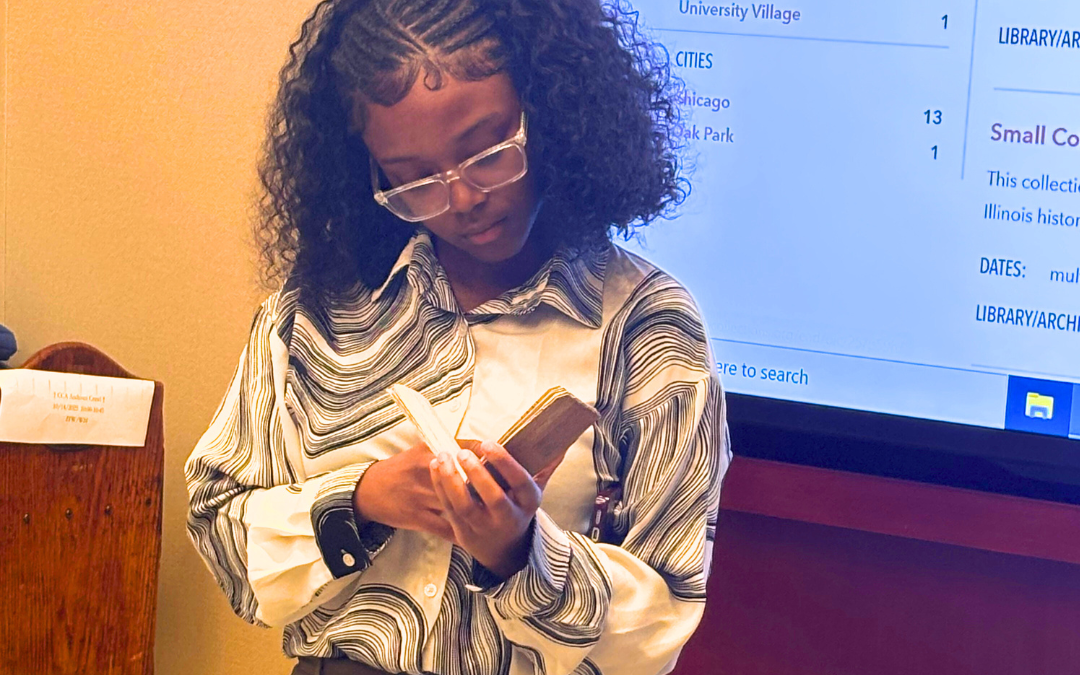
On October 14, I had the opportunity, along with the rest of the Chicago Cultural Alliance staff, to step into the past in a way that felt both intimate and monumental. We visited the Newberry Library for their Archives Crawl and were treated to a rare, behind-the-scenes look at some truly remarkable artifacts.
Working with an organization that works daily to uplift and celebrate cultural heritage, I was especially excited to see how the Newberry’s collection intersects with our mission. And it did not disappoint.
One of the biggest highlights? Holding a 1928 Oscar that once belonged to Ben Hecht, yes, holding it. (With gloves, of course!) There’s something surreal about having a piece of Hollywood, and Chicago, history in your own hands.
We also explored early maps of cities. These cities were some of the first in the world, including a Chicago that looked vastly different from the one we know now. It was a powerful reminder of how place, like culture, evolves over time.
Equally compelling were the artifacts reflecting Indigenous influence It’s a reminder that Chicago’s story began long before it was called Chicago. These pieces carried deep weight and served as a quiet but powerful nod to the land’s original stewards.
Another favorite moment was looking through letters and photos exchanged between dancers in old Chicago. Reading their handwritten notes and seeing their faces brought a personal dimension to the city’s performing arts history. It wasn’t just about movement or costumes. It was about people, community, and expression.
What struck me most throughout the day was how alive history can feel when you’re close to it. These weren’t just old objects on display. They were stories, identities, and legacies that continue to shape who we are.
Huge thanks to the team at the Newberry Library for opening their doors (and archives!) to us. This experience reminded me that every cultural artifact, whether a gold statue or a faded photo, has a heartbeat. I will definitely make my way back to the Newberry Library for my research needs!
— Victoria Nunnally
Chicago Cultural Alliance
by Marketing | Oct 24, 2025 | Blog
This October, the Heritage Museum of Asian Art, in partnership with the Abrahamic Center for Cultural Education, and the Japanese Culture Center, proudly hosted “Stitching Stories: Asia from East to West.” This vibrant pop-up exhibition ran from October 9–30, 2025, as part of Journey Chicago and Open House Chicago, and aligned with Chicago Fashion Week. The exhibition celebrated traditional and contemporary textile and fashion practices from across Asia.
Over three weeks, “Stitching Stories” offered a powerful exploration of how embroidery, fabric folding, and garment making serve not just as craft but as cultural memory, identity, and storytelling.
The exhibition featured a rich and diverse collection, including:
* A beautiful Kimono collection curated by the Japanese Culture Center, showcasing the elegance and symbolism embedded in Japanese seasonal dress.
* An exquisite display of Qipao (Cheongsam) from the Chinese American Museum of Chicago, highlighting the evolution of Chinese fashion and femininity.
* Palestinian Thobes from the private collection of Tatreez Jenin, telling stories of heritage, homeland, and resilience through hand-stitched embroidery.
* Contemporary, textile-inspired artworks by Chicago-based artists Hai-Wen Lin, Young Se Kim, and Sabba S. Elahi, weaving traditional techniques into new visual languages.
In addition to the exhibition, the museum hosted a series of well-attended workshops and community programs that brought the show’s themes to life through hands-on experience:
* On October 11, participants joined Mami Takahashi for a Kimono Costuming Workshop, learning about the cultural significance and seasonal elegance of traditional Japanese attire.
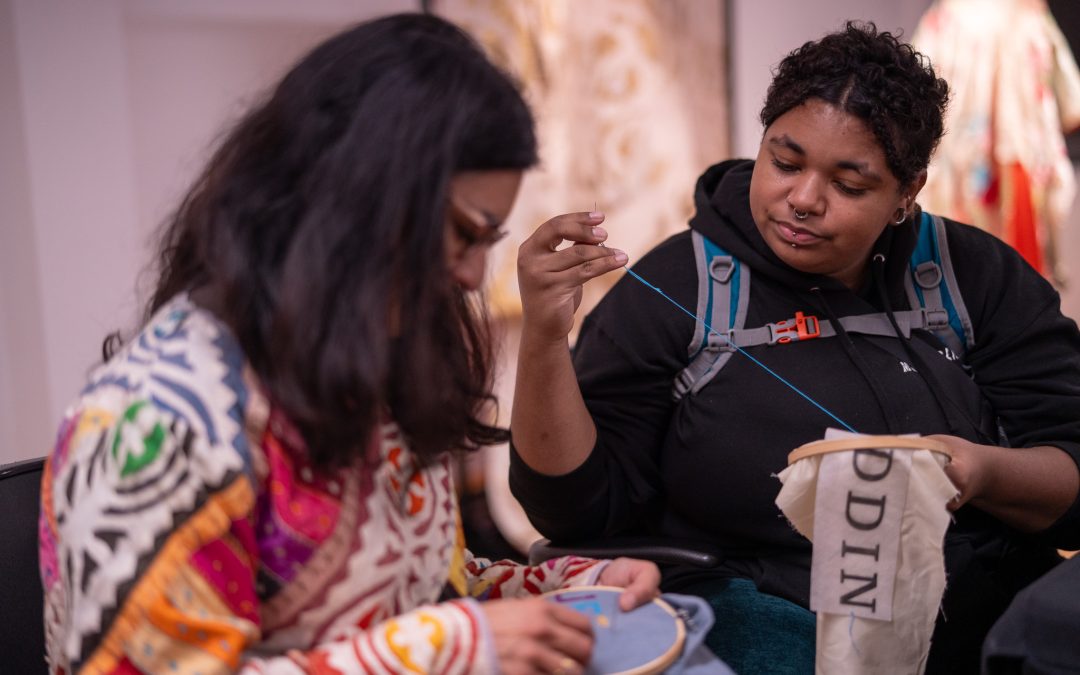
* On October 18 and 19, artist Sabba S. Elahi led a Community Embroidery Circle, inviting guests to stitch their own stories while connecting across generations and cultures.
* The Tatreez Workshop on October 18, led by Tatreez Jenin, offered insight into the Palestinian embroidery tradition as an act of resistance and remembrance.
* On October 19, Young Se Kim guided participants through an Obangsaek Workshop, exploring the Korean color spectrum and its spiritual and philosophical roots.
Throughout the exhibition and programs, “Stitching Stories” illuminated how textiles across Asia—from East to West—carry deep layers of history, identity, and faith. Every piece told a story of movement and memory: of migration, survival, celebration, and self-expression. The event served as a reminder that in every stitch, there is a voice, and in every thread, a connection.
Thank you to all who attended, participated, and supported this event. Your presence helped make “Stitching Stories” a vibrant celebration of community and cultural heritage.
Photography by Richard Cahan on behalf of Chicago Cultural Alliance.
by Marketing | Oct 15, 2025 | Blog
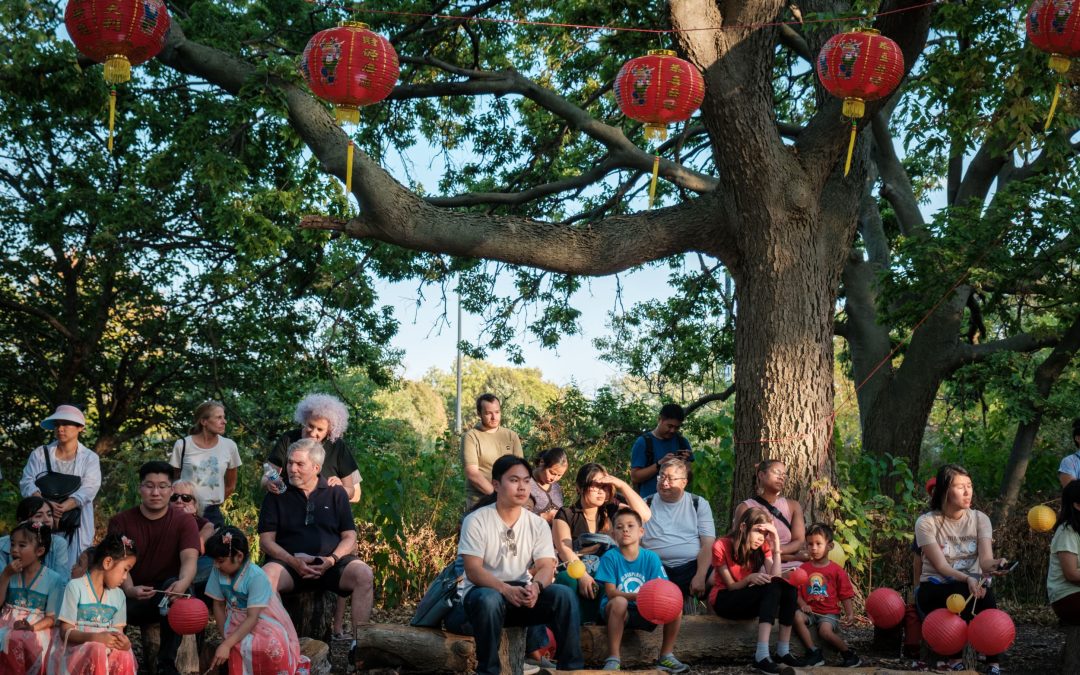
This year’s Mid-Autumn Festival at the Burnham Wildlife Corridor was a truly magical evening of art, storytelling, music, and community under the moonlit sky. Hosted at the stunning Set in Stone Gathering Space, the event brought together families, artists, and cultural leaders to honor this cherished seasonal celebration rooted in East and Southeast Asian traditions.
From lantern-making to live performances, the festival invited guests of all ages to participate in activities that celebrated togetherness, harvest, and gratitude. The event was a beautiful reminder of the power of cultural storytelling and the joy of shared celebration. We’d like to extend our sincere thanks to the Chinese American Museum of Chicago and everyone who joined us. Your support helped make this special night a success!
Relive the magic through our photos, captured by Joerg Metzner Photography, through our social media @chicagocultural
Want to learn more about the event?
Visit the official event page
We look forward to seeing you at more cultural celebrations throughout the year. Stay connected with us for upcoming events and programs!
by Marketing | Oct 15, 2025 | Blog
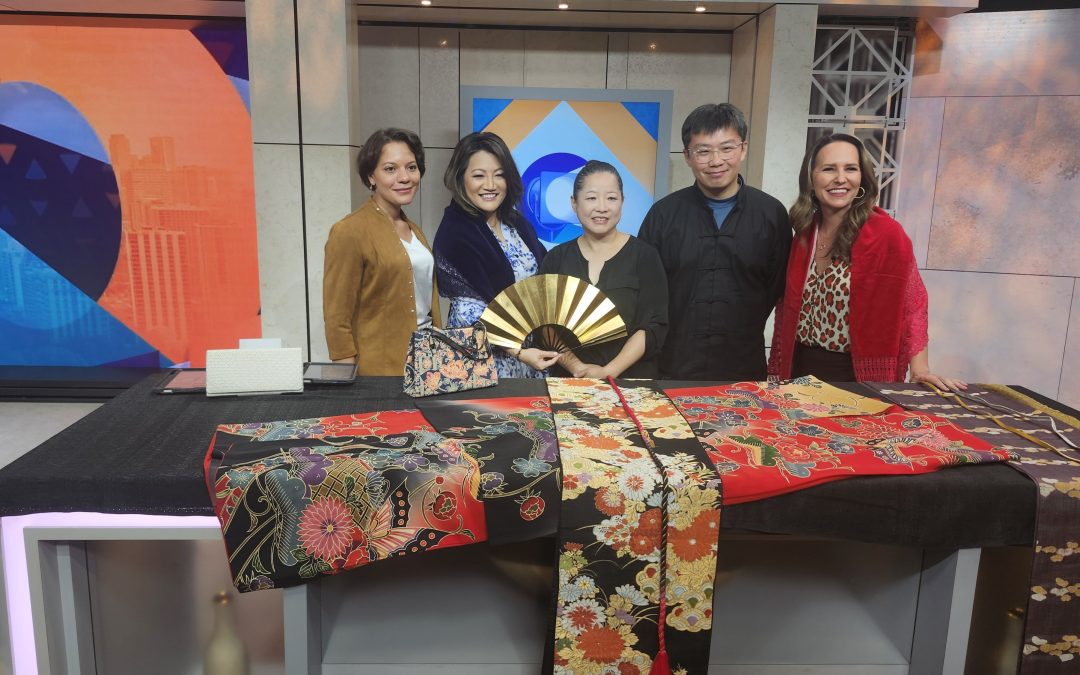
We’re thrilled to share that Journey Chicago was recently featured on WGN’s Spotlight Chicago, offering viewers an inside look at how cultural collaboration continues to thrive across our city. This special segment spotlighted the work of the Chicago Cultural Alliance (CCA) and one of our amazing Core Members, the Heritage Museum of Asian Art.
The segment featured insightful interviews with Mónica Félix, Executive Director of the Chicago Cultural Alliance, and Ji Yang, Associate Director of the Heritage Museum of Asian Art. Both leaders spoke passionately about the goals of Journey Chicago—bringing communities together through culture, heritage, and dialogue—and how these partnerships are building a more connected and inclusive Chicago.
A highlight of the segment was a beautiful live demonstration by artist Mami Takahashi, presented by the Heritage Museum of Asian Art. Her performance offered viewers a meaningful glimpse into traditional Asian artistry and its continued relevance and beauty today. Behind the scenes, David Carling, CCA’s Design & Marketing Manager, supported the production by assisting with set-up and coordination for the demonstration.
We are so grateful to WGN for the opportunity to share our story and amplify the voices of the incredible artists, organizations, and cultural leaders who make Journey Chicago possible.
Watch the full segment here:
Stay tuned as we continue to highlight Journey Chicago programming throughout the season. There’s so much more to come!
by Marketing | Sep 10, 2025 | Member Wire
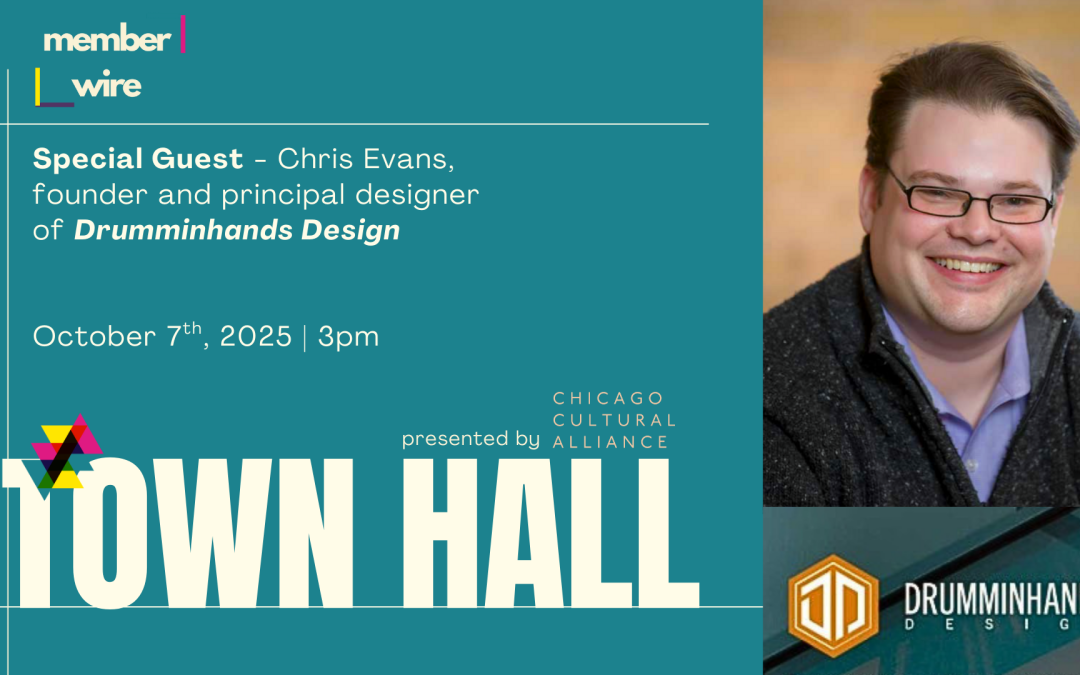
Join us next month, October 7th, at 3pm for our next Town Hall where Chris Evans will discuss Interactive Media and Audience Engagement.
Join Alliance Members to catch-up, discuss current issues and share resources and strategies. Our topic for October’s Town Hall Meeting will be Interactive Media and Audience Engagement with special guest, Chris Evans, founder and principal designer of Drumminhands Design in Minneapolis. CCA Town Halls take place on the first Tuesday of each month and are a time for us to join together as a community, share updates, learn about upcoming grants, and make announcements or ask for support.
CCA Town Halls take place on the first Tuesday of each month and is a time for us to join together as a community, share updates, learn about upcoming grants, and make announcements or ask for support.
by Marketing | Aug 13, 2025 | Member Wire
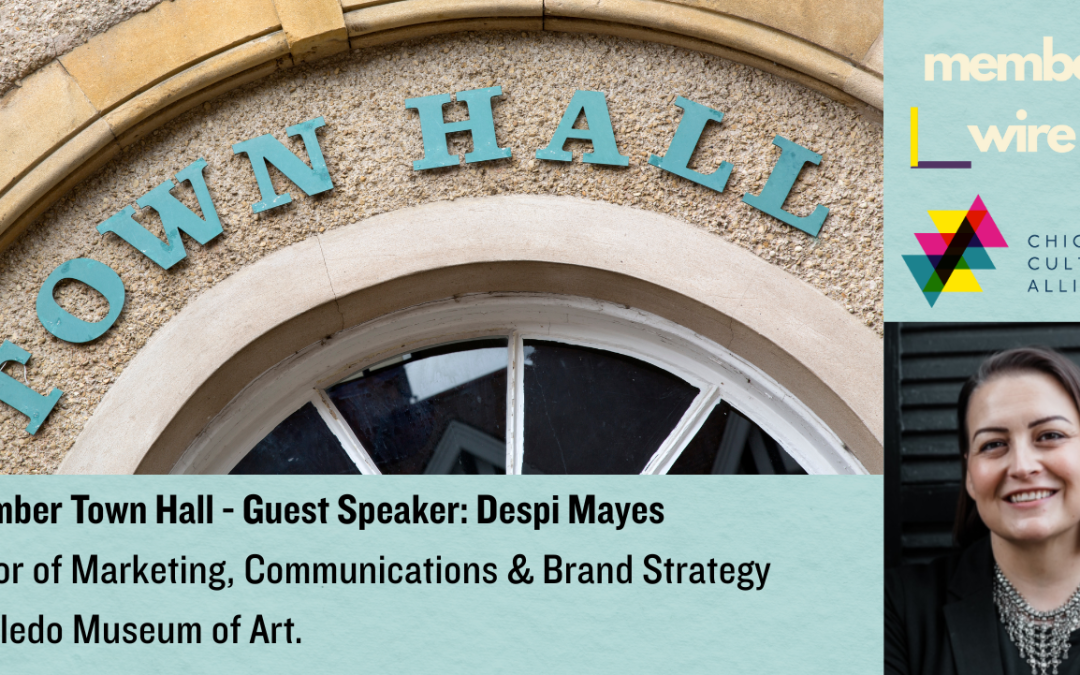
Join us on September 2nd at 3pm for our next Town Hall where award-winning marketer and technologist, Despi Mayes, will discuss Concierge Content: An Innovative Visitor-First Marketing Strategy
During this one-hour virtual gathering, Despi will discuss increasing attendance by removing your audiences’ perceived barriers. It can be as simple as reminding them how easy and fun it is to visit. Your visitors will feel like they have a personal concierge and your visitation numbers will show it! In this workshop you’ll learn how to create a content-focused marketing plan with a service mindset designed to engage audiences and boost visitation. Despi is currently the Director of Marketing, Communications & Brand Strategy at the Toledo Museum of Art. In her 20+ year career she has led content initiatives at four museums and has over a decade of marketing planning and digital strategy at creative agencies, non-profits, and as an independent consultant.
CCA Town Halls take place on the first Tuesday of each month and is a time for us to join together as a community, share updates, learn about upcoming grants, and make announcements or ask for support.
by Marketing | Jul 22, 2025 | Blog
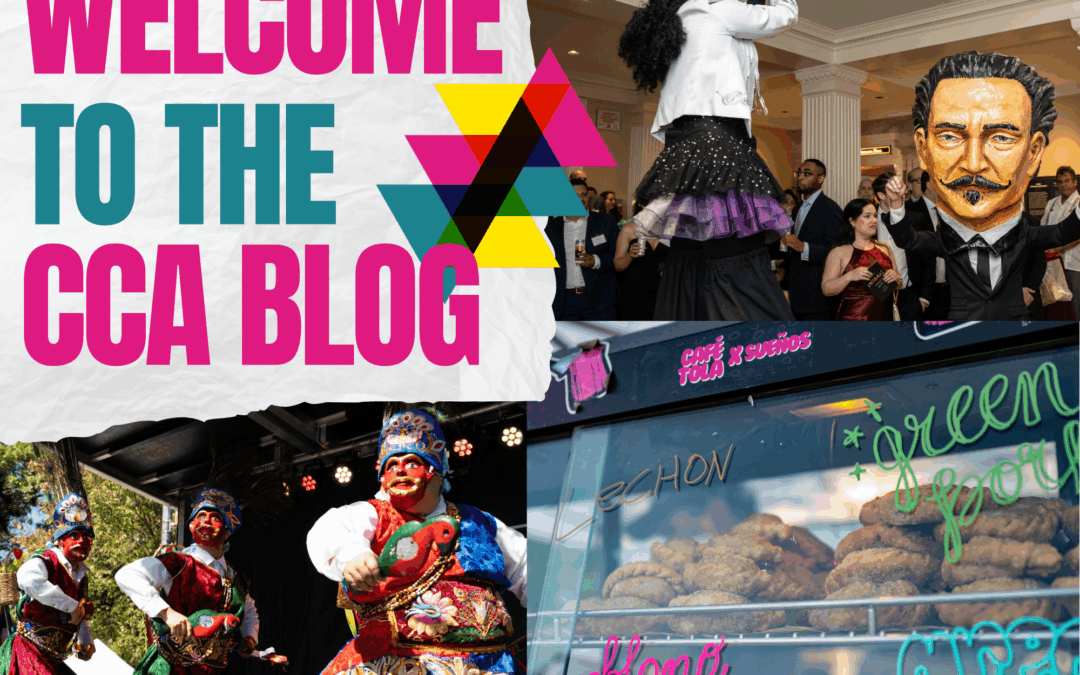
This will be your go-to place for exclusive Core Member interviews, event round-ups, your must have book, and everything in-between. Along with our Newsletter, Culture Around the City, our events page, and annual programs, this blog will continue our mission to bring the best our windy city has to offer. It will also be the place for important announcements pertaining to the arts, our alliance, and our members’ welfare. Thank you for visiting and we look forward to seeing you again soon.
“Culture is the name for what people are interested in, their thoughts, their models, the books they read and the speeches they hear” ― Walter Lippmann
“Men build too many walls and not enough bridges.” ― Joseph Fort Newton
by Marketing | Jul 18, 2025 | News
We hope you find what you’re looking for!