by Marketing | Feb 13, 2026 | Blog
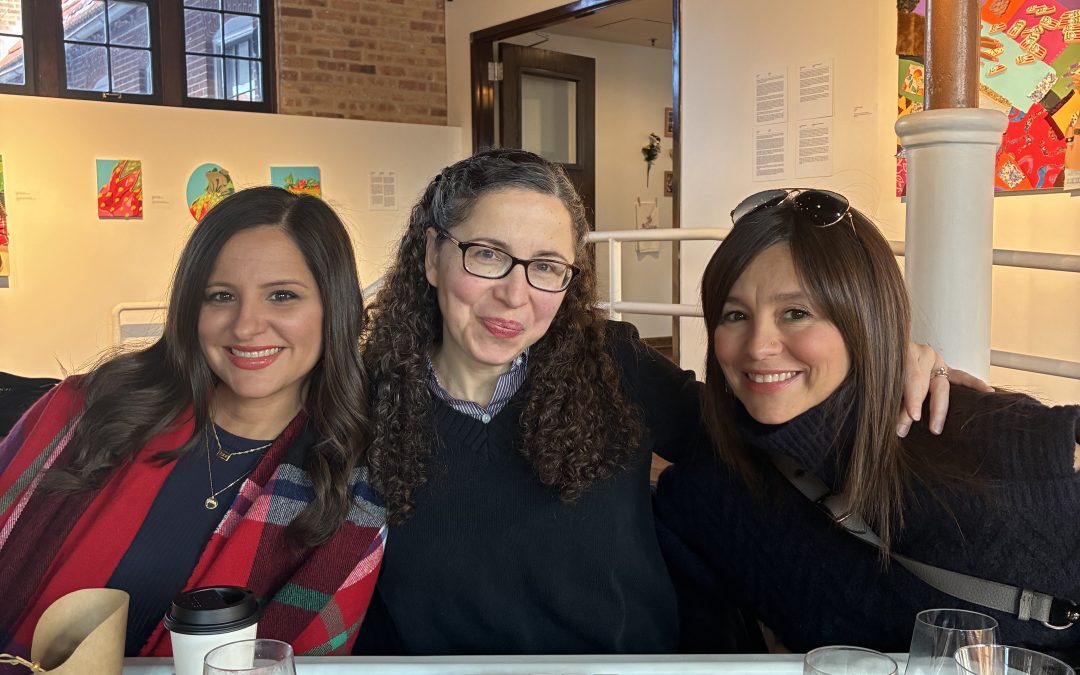
Last Saturday, the National Museum of Puerto Rican Arts and Culture welcomed the Chicago Cultural Alliance for their Dominoes and Mimosas event with La Familia Domino League! This was a women’s only event, and our Marketing Intern, Fiona, had a blast connecting with other members of the community over mimosas, cups of cafecito, charcuterie-style snacks, and many games of dominoes. La Familia Domino League, especially board member Angel Cebollero, were instrumental in our learning process. This was our first time playing, and it was surprisingly easy to pick up! Plus, we made some new friends along the way.
The day before Bad Bunny’s Super Bowl performance felt like the perfect occasion to visit the Museum. The Puerto Rican artist dominated the afternoon’s playlist, especially his most recent album DeBÍ TiRAR MáS FOToS (Fionas favorite song was “BAILE INoLVIDABLE”). The Museum gift shop (a must-see on your visit or for a quick gift of artisanal earrings) had limited museum edition “Benito Bowl” t-shirts for sale, which were also given away at the event as a raffle prize, along with a custom-made domino table!
Encircling the main event were collections of paintings, several celebrating the resilience of Puerto Rican womanhood. The painting Heirloom shows the long, manicured nails and rings of women playing dominoes, a pastime often associated with men. The ritual is reclaimed here as distinctly feminine, allowing space for women across Puerto Rican and Caribbean cultures to step out of the realm of domesticity and take on assertive and competitive roles. Such feminine power was definitely in the air last Saturday. We hope La Familia and the Museum come together again, as it was a truly memorable afternoon filled with impeccable music, community, and, of course, dominoes!
You can view photos from our visit on our Instagram – @chicagocultural
by Marketing | Feb 12, 2026 | Blog
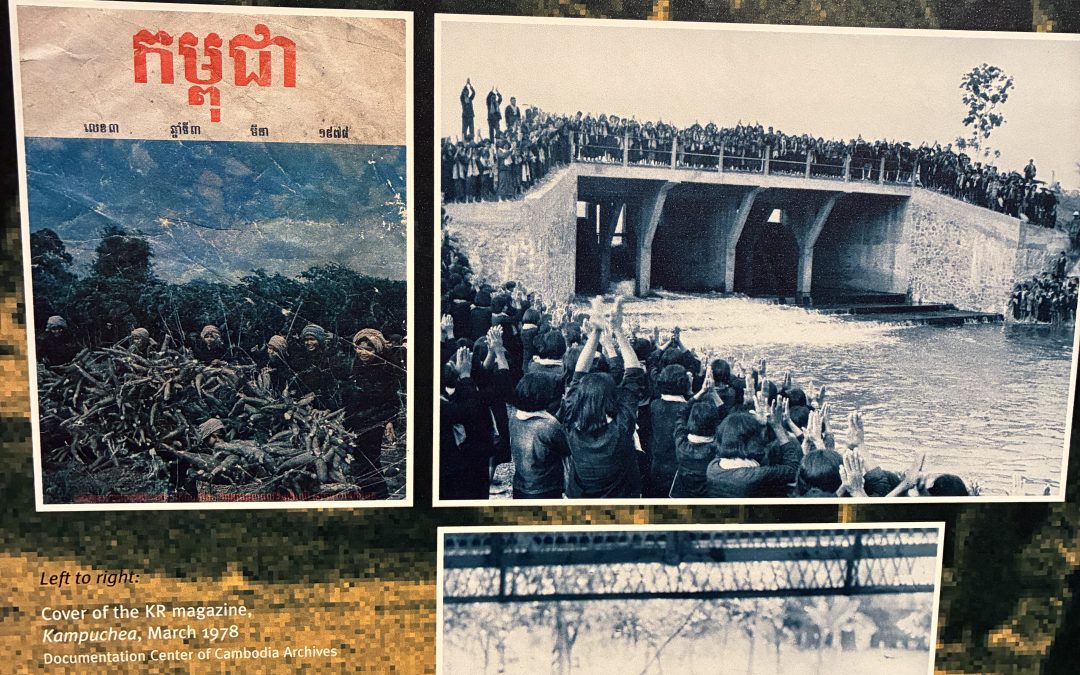
Last week, the Chicago Cultural Alliance visited one of our Core members, the National Cambodian Heritage Museum and Killing Fields Memorial. We were grateful to be shown around the museum by our tour guide, Nisa.
Beginning on April 17, 1975, more than two million Cambodians had died under Pol Pot’s dictatorship and the Khmer Rouge regime over three years, eight months, and 21 days. In December of 1985, around 10,000 Cambodian refugees arrived in the city of Chicago. Today, the Museum acts as a place of remembrance, community gathering, culture, and social services for the city’s Cambodian population. The Museum is the only Killing Fields Memorial in the United States. Its Wall of Remembrance, etched with the names of loved ones who perished in the Killing Fields, honors the more than 2 million lives that were lost.
Every weekend, all three floors of the Museum are filled with the sounds and stories of traditional music, dancing, art-making, and language classes. The space transforms into the Culture & Healing Arts program, which emphasizes art as a form of healing for survivors and their families. Parents of first-generation Cambodians oftentimes have difficulty explaining their past in Cambodia to loved ones, explained Nisa. The program allows members to take Cambodian language classes or to learn the Roneat Ek, a 1,000 year old Cambodian xylophone. Participates forge learning experiences and connect to elements of Cambodian culture not commonly taught in public school curriculum in the United States. In turn, shared cultural experience sparks curiosity amongst younger generations, creating space for conversation in the spirit of remembrance and healing between multiple generations of community members.
The Carving Legacies: Memories in Clay exhibit in January of 2025 shows how sculpture is an avenue of healing, when community members and the Master Ceramicist, Yary Livan, came together to sculpt ornate elephants, a symbol of strength and wisdom within the Cambodian community. The exhibit displays the elephants collectively marching and represents the will and legacy of Chicago’s Cambodian community. Elephants carry stories and memories of the creators and community, to continue learning and healing from the past, keeping close remembrance, a key pillar in honoring those lost at the Killing Fields. Dedicated space for creative outlets and cultural education reminds us of the importance of art and creative expression in bridging intergenerational gaps, generating space and curiosity, and knowledge amongst Chicago’s Cambodian population.
You can view photos from our visit on our Instagram – @chicagocultural
by Marketing | Dec 15, 2025 | Chicago Culture
Partner Member, Brookfield Zoo Chicago is hosting an evening event series (6:00 p.m. to 10:00 p.m.) called
Glow Wild: A Lanterns Festival of Hope on Thursdays, Fridays, Saturdays, and Sundays from Thursday, March 19, 2026, through Sunday, May 10, 2026.
Large-scale lanterns will feature artistic renditions of animals from across the globe.
The Zoo’s Education & Community Engagement team are looking for cultural storytellers, artisan vendors, and community resource groups that want to join them in shedding light on the universal reverence that is provided to wildlife and nature — highlighting the global responsibility that we share in caring for our planet.
Brookfield Zoo Chicago wishes to enter into a collaborative process that creates space to share language, expressive arts, various forms of storytelling, dance, and other cultural elements that celebrate the interwoven diversity of perspectives and life on this planet. If you have a vision, the team welcomes your creativity and opportunities possible in showcasing your work in the most positive and effective ways.
Please note, that for Glow Wild, artisan vendors and community resource groups will be able to sell non-food items without having to pay any vendor fees or share any percentage of profit, and honorariums are negotiable for presenters and performers. Participating groups will be asked to commit to one or two of the available nights, but they are welcome to potentially participate in more evenings as schedules and interest may allow. Discussions may also inspire other collaborative opportunities for integration into programs and events of future seasons at Brookfield Zoo Chicago or your organization’s community-based efforts.
by Marketing | Dec 8, 2025 | Blog
Dear Cultural Ally,
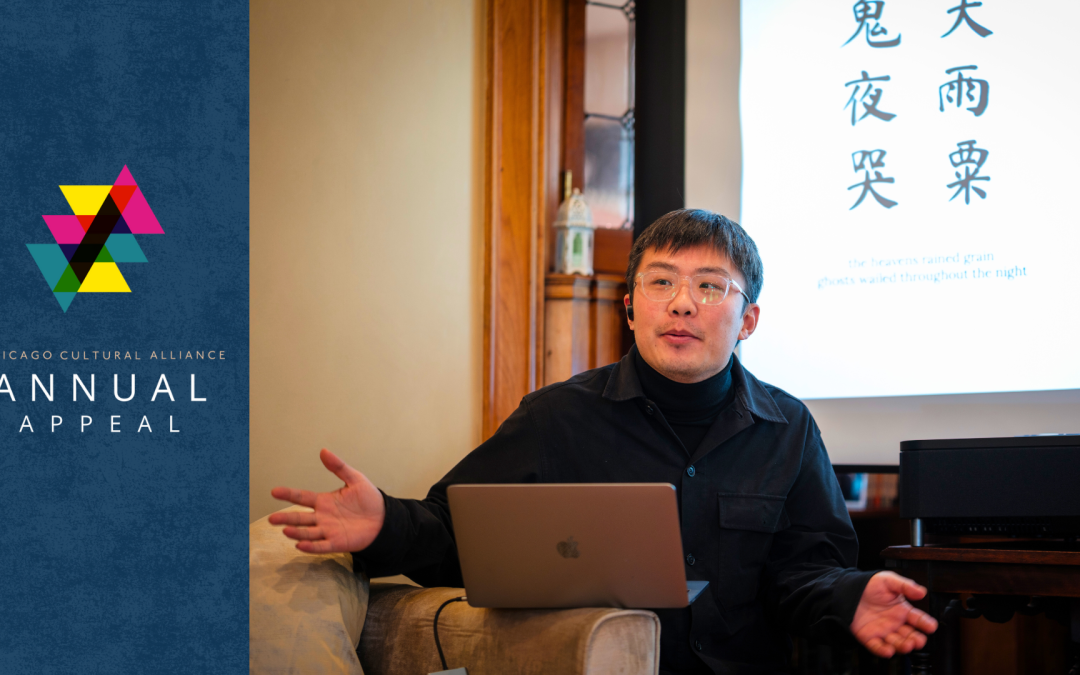
My name is JI Yang, and I currently serve as the Associate Executive Director at the Heritage Museum of Asian Art (HMAA), in Chicago. I have been with the organization since 2024. In addition to my role at HMAA, I also serve as a guest curator at the Chinese American Museum of Chicago and contribute to several arts and culture organizations throughout Chicago.
One of my early projects was working with the Chinese American Museum of Chicago—helping secure resources and funding, developing programs connected to their exhibitions, and building outreach to artists, scholars, and community leaders. Since then, I have continued to support CAMOC, including developing its first Pride Month exhibition and program series—an initiative that has grown into an ongoing oral history and multidisciplinary program.
I also supported the Heritage Museum of Asian Art by managing a six-month program series in response to our Year of the Dragon exhibition, followed by Stitching Stories: Cross-Cultural Healing through Quilting and Textile Arts, a project that builds relationships between Asian and African American communities through workshops, storytelling, and exhibitions that was part of CCA’s cultural festival, Journey Chicago. At the time, the museum was experiencing major staff transitions. In July 2025, I was entrusted to step into leadership.
I have worked in the art and culture field for more than 20 years through various forms—collectives, clubs, corporations, and non-profits, both in China and the United States. I’ve witnessed too many arts and culture organizations—full of passion and deep commitment—struggle to survive. Without clear direction, guidance, or adequate resources, organizations can fall into a harmful cycle: lack of funding leads to lack of staff, which leads to limited capacity and fewer activities, which in turn makes it even harder to secure funding. I have seen how collaboration is essential to breaking this cycle. It is my core belief, proven through experience, that we can only survive and thrive by working together. A community-centered approach is the only way to truly understand what we should be doing and whom we should be serving.
This is why the Chicago Cultural Alliance has been so important. CCA emphasizes partnership, resource-sharing, and mutual support, offering member organizations guidance that strengthens operations, planning, and long-term sustainability. With such a small team, the impact they make feels almost miraculous.
The Heritage Museum of Asian Art has benefited tremendously from CCA’s support. At HMAA, we approach heritage collectively and work to build a shared future. The Chicago Cultural Alliance plays an essential role in this ecosystem. CCA amplifies the work of community-based museums and cultural centers—organizations like ours that often operate with limited resources but have deep, lasting impact. Through convenings, shared resources, advocacy, and a strong commitment to community, CCA helps make our work more connected, more resilient, and more sustainable, strengthening the cultural fabric of Chicago as a whole.
Yours sincerely,
JI Yang
By donating to the Chicago Cultural Alliance today, you will join us in working towards our vision for a city where all communities have a voice and cross-cultural dialogue is an integral part of Chicago’s civic fabric.
by Marketing | Nov 5, 2025 | Chicago Culture